
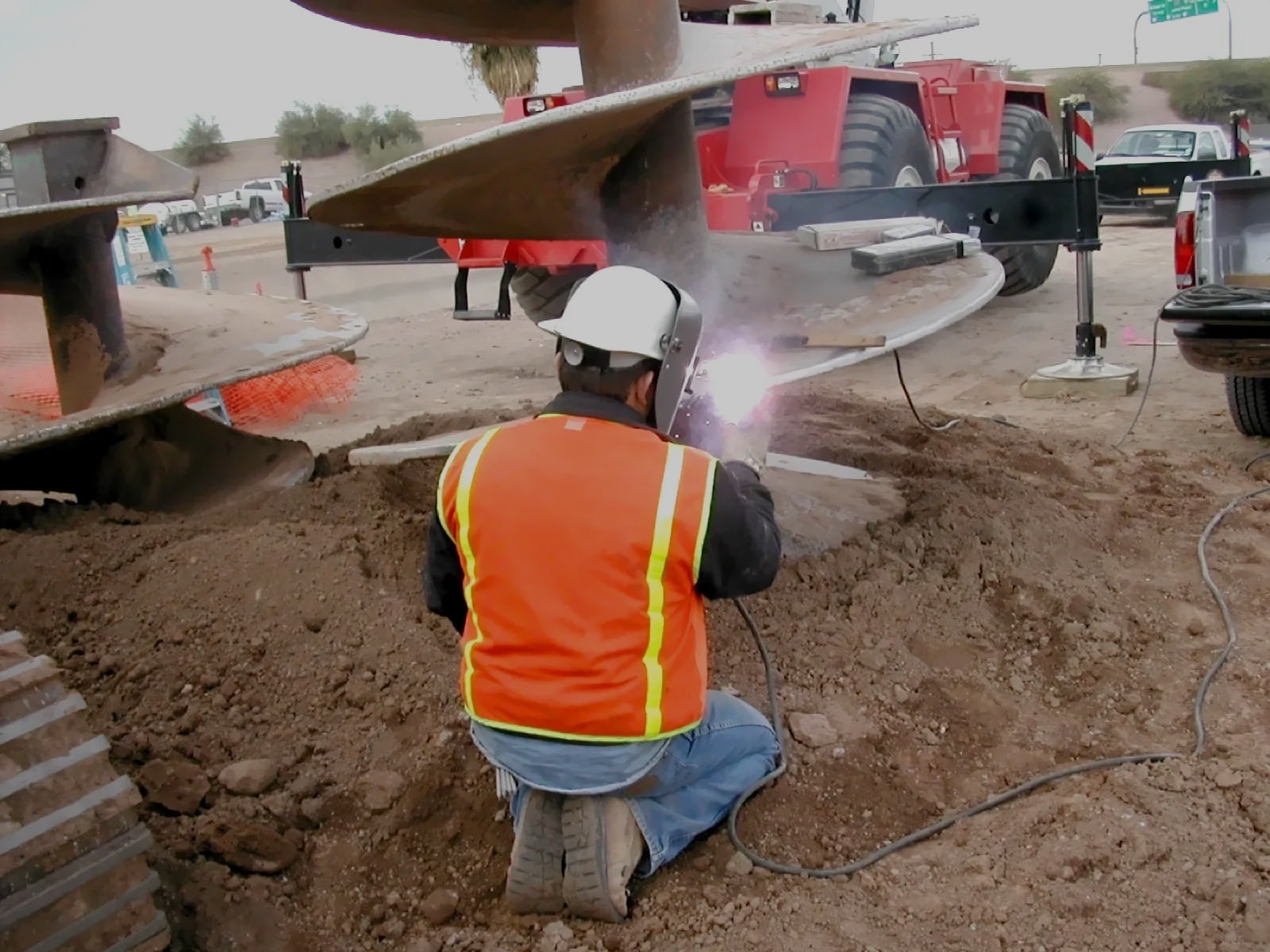
Commercial Foundation Repair
Protecting DFW businesses with expert commercial foundation solutions — from retail centers and office buildings to warehouses and industrial facilities.
Call for a Free AssessmentCommercial Foundation Experts in DFW
Foundation problems don't just affect homes — commercial buildings are equally vulnerable to the expansive soils and weather extremes of the DFW area. Perimeter Foundation Repair has the expertise and equipment to handle commercial foundation repair projects of any scale. We understand that downtime costs money, so we work efficiently and professionally to minimize disruption to your business operations while delivering lasting results. Every commercial project is permitted, documented, and can be engineer-stamped upon completion. Perimeter will stand behind every project we take on and will keep the owner and staff in loop every step of the way until the project is finalized.
214-542-6190

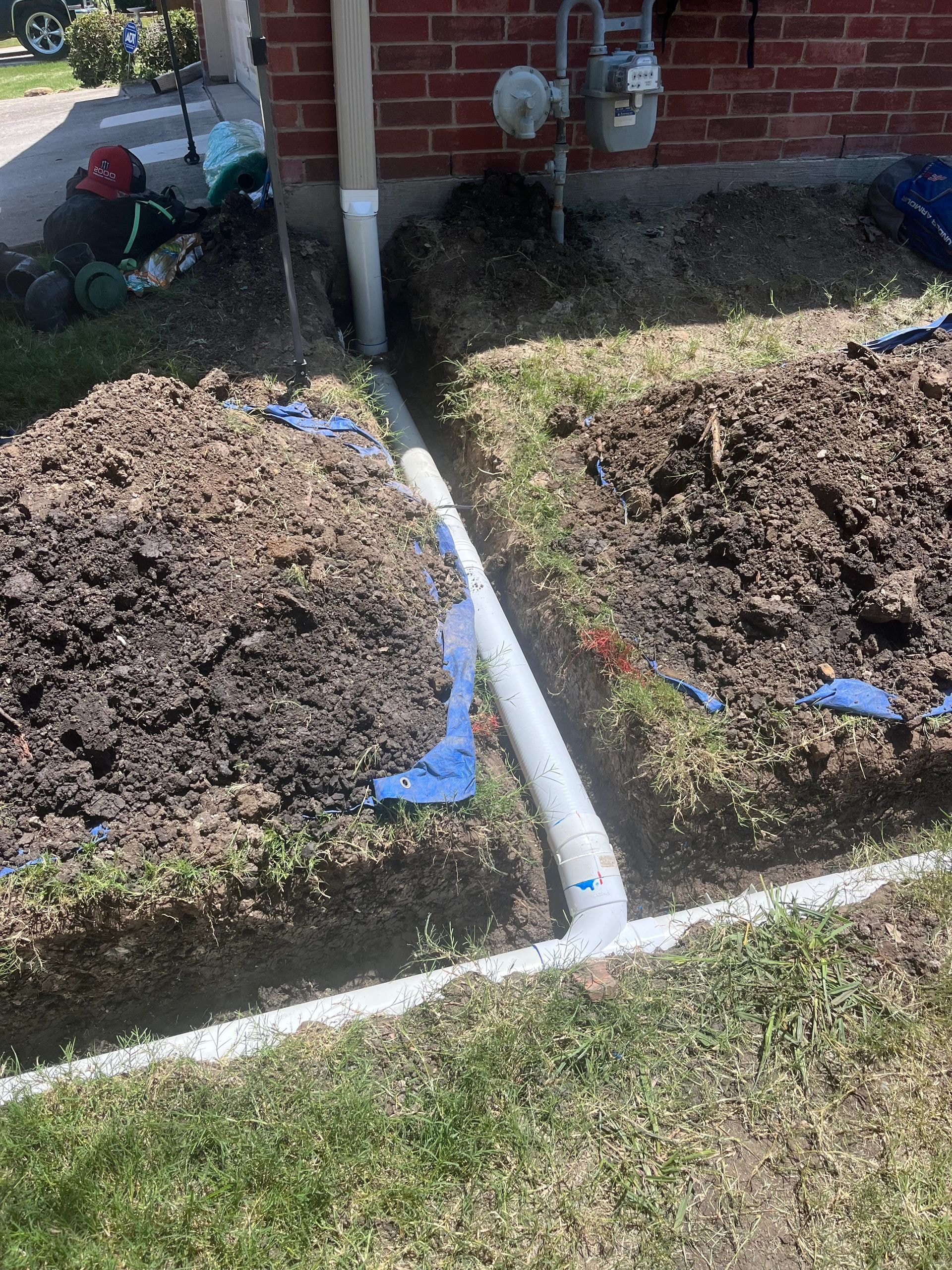

Why Commercial Foundation Repair Is Different
Commercial structures place far greater loads on their foundations than residential buildings. Heavier floor loads, larger footprints, and more complex structural systems mean that foundation movement in a commercial building can have serious consequences — from cracked concrete floors and sticking doors to structural misalignment that creates safety and liability concerns. Commercial repairs also require coordination with tenants, business operations, and often with local permitting authorities. Our team has the experience to manage all of these factors.
- Heavier structural loads require deeper, stronger pier systems
- Work scheduled around business hours to minimize disruption
- Full permitting and engineer-stamped documentation
- Coordination with tenants, property managers, and owners
- Detailed written scope and change-order process
- Insurance documentation and transferable warranty

Commercial Foundation Services
Commercial Slab Repair
We repair and stabilize commercial slab foundations using steel push piers and pressed concrete pilings. Our methods are engineered to handle the heavier loads of commercial structures, and all work is permitted and documented for your records.

Warehouse & Industrial Foundation Repair
Large commercial and industrial facilities require specialized approaches. We have the equipment and expertise to address foundation issues in warehouses, manufacturing facilities, and industrial buildings — including work in occupied facilities with minimal operational disruption.
Retail & Office Building Repair
Foundation problems in retail and office buildings can disrupt business and create liability concerns. We work around your schedule — including nights and weekends — to minimize disruption while restoring structural integrity and protecting your tenants.

Commercial Drainage Systems
Proper drainage is critical for commercial properties. We design and install commercial-grade French drains, channel systems, and surface grading solutions that protect your building, parking areas, and landscaping from water damage and soil saturation.

Engineer-Stamped Repairs
All of our commercial foundation repairs are permitted and can be engineer-stamped upon completion. We work with licensed structural engineers to ensure all work meets code requirements and provides you with documentation for insurance, financing, and property transactions.

Preventive Maintenance Programs
We offer ongoing foundation monitoring and maintenance programs for commercial property owners and managers. Regular inspections catch problems early — before they become costly repairs — and provide documentation of your building's structural condition over time.
Commercial Steel Pier Systems
The highest-capacity solution for heavy commercial loads
Steel push piers are the preferred repair method for commercial structures that have experienced significant settlement. Driven to load-bearing strata well below the unstable surface soils, steel piers provide a permanent, engineered solution capable of supporting the substantial loads of commercial buildings. Unlike concrete pilings that rely on friction in the upper soil layers, steel piers bypass the expansive clay entirely — anchoring the structure to stable ground regardless of surface soil conditions.
Deep Load-Bearing Capacity
Steel piers are hydraulically driven until they reach refusal on competent load-bearing strata — typically 20 to 40 feet below grade in the DFW area. This depth places the bearing point entirely below the zone of seasonal soil movement, providing a stable foundation that does not shift with DFW's wet-dry cycles.
Engineered for Commercial Loads
Each pier is sized and spaced by a licensed structural engineer based on the building's actual load requirements. Commercial steel pier systems are designed to carry the heavier dead and live loads of commercial structures — far beyond what residential pier systems are rated for.
Minimal Site Disruption
Steel piers are installed with compact hydraulic equipment that can operate inside occupied buildings, under low clearances, and in tight site conditions. The installation process requires no large excavation and generates minimal noise and vibration — critical for businesses that cannot suspend operations during repair.
Immediate Load Transfer
Once driven to refusal, steel piers immediately transfer the building's load from the unstable soil to the stable bearing stratum. There is no curing time, no waiting period — the structure is stabilized and can be lifted to the target elevation the same day the piers are installed.
Permanent & Transferable Warranty
Steel pier installations are backed by a transferable warranty. The warranty transfers to subsequent owners, making it a documented improvement that adds value to the property and provides assurance to future buyers, lenders, and insurers.
Full Documentation Package
Every commercial steel pier project includes a complete documentation package: engineer's report, pier installation log, before-and-after elevation readings, permit records, and warranty certificate. This package satisfies lender, insurer, and property management requirements.
Best suited for:
Hybrid Concrete Pier Systems
The proven DFW solution — engineered for North Texas soils
Hybrid concrete pier systems combine the proven performance of bell-bottom concrete piers with modern engineering to deliver a cost-effective, high-capacity solution well-suited to the specific soil conditions of the DFW area. The bell-bottom design — a flared base cast at the bottom of a drilled shaft — distributes the building's load over a large bearing area in the stable clay below the zone of seasonal movement. Hybrid systems pair this proven base with a reinforced concrete shaft and a steel bracket at the top, providing both the bearing capacity of a bell-bottom pier and the precision load transfer of a steel bracket system.
Bell-Bottom Base Design
The defining feature of the hybrid system is the bell-bottom base — a flared, hand-dug cavity at the bottom of the drilled shaft that dramatically increases the bearing area. In the stiff, stable clay found below the active zone in DFW, the bell-bottom provides exceptional bearing capacity without requiring the extreme depths needed by friction-based systems.
Reinforced Concrete Shaft
The shaft connecting the bell-bottom base to the structure is reinforced with steel rebar and poured with high-strength concrete. The reinforced shaft resists lateral soil movement and provides a rigid, durable connection between the stable bearing base and the structure above.
Steel Bracket Load Transfer
At the top of each pier, a precision steel bracket transfers the building's load from the foundation beam to the pier shaft. The bracket system allows for accurate elevation adjustment during installation, ensuring the structure is lifted to the correct target elevation before the system is locked in place.
Optimized for DFW Soils
Bell-bottom hybrid piers were developed specifically for the clay soils of North Texas and have a decades-long track record in the DFW market. The design takes advantage of the high bearing capacity of the stiff clay below the active zone — a characteristic of DFW soils that makes the bell-bottom approach particularly effective in this region.
Cost-Effective for Mid-Range Loads
For commercial structures with moderate load requirements — retail buildings, restaurants, single-story office buildings, and similar structures — hybrid concrete piers often provide the best combination of performance and cost. The system delivers the capacity needed for commercial loads at a lower installed cost than all-steel systems in many applications.
Permitted & Engineer-Reviewed
All hybrid concrete pier installations are permitted and reviewed by a licensed structural engineer. The engineer specifies pier diameter, depth, bell size, and spacing based on the building's load requirements and the soil conditions at the site. A complete documentation package is provided at project completion.
Best suited for:
Commercial Pier & Beam Foundation Repair
Specialized repair for older commercial structures and light commercial buildings
Pier and beam construction is not limited to residential homes — many older commercial buildings throughout the DFW area, particularly those built before the 1960s, were constructed on pier and beam foundations. Light commercial structures including small retail buildings, historic commercial properties, and converted residential buildings also commonly use pier and beam systems. These structures require the same specialized approach as residential pier and beam repair, but with attention to the higher loads and operational requirements of a commercial setting.
Repair Types
Concrete Pier Replacement
Original wood stump piers — common in pre-1960s commercial construction — are replaced with new concrete piers set at the correct elevation. New piers are sized for the actual load of the commercial structure and installed with minimal disruption to building operations.
Beam Repair & Replacement
Deteriorated or overloaded beams are sistered or replaced with new pressure-treated or engineered lumber sized for the commercial load requirements. Beam repairs restore the structural integrity of the floor system and correct sagging or uneven floors.
Joist & Subfloor Restoration
Rotted or damaged floor joists and subfloor panels are replaced as part of a comprehensive pier and beam repair. In commercial settings, subfloor restoration is coordinated with flooring contractors to minimize the disruption to business operations.
Crawlspace Moisture Control
Commercial pier and beam crawlspaces are often larger and more complex than residential ones. We install commercial-grade vapor barriers, improve ventilation, and correct drainage conditions to eliminate the moisture that drives wood deterioration in commercial crawlspaces.
Load Redistribution
Commercial buildings often undergo modifications — added equipment, mezzanines, storage loads — that exceed the original design capacity of the pier and beam system. We assess the current load distribution and add or upgrade piers and beams as needed to support the actual loads the building is carrying.
Historic Commercial Building Repair
Older commercial buildings in established DFW neighborhoods often have historic significance and require careful repair approaches that preserve the structure. We have experience working on historic commercial properties and can coordinate with preservation requirements where applicable.
Project Types & Applications
Older Retail Strip Buildings
Many small retail strips built in the 1940s through 1960s in established DFW neighborhoods were constructed on pier and beam foundations. These buildings often show floor settlement, sticking doors, and cracked interior finishes as original wood piers compress and deteriorate. We replace the original piers, repair the beam and joist system, and restore the floor to level — typically with minimal disruption to tenants.
Converted Residential to Commercial
Residential structures converted to commercial use — offices, clinics, studios, and similar light commercial occupancies — often retain their original pier and beam foundations. These foundations may be undersized for the modified loads of commercial occupancy. We assess the existing system, add piers and beams where needed, and bring the foundation up to the load requirements of the current use.
Restaurant & Food Service Buildings
Restaurant buildings place concentrated loads from commercial kitchen equipment, walk-in coolers, and heavy foot traffic on foundations that may not have been designed for those loads. Pier and beam restaurant buildings are particularly vulnerable to moisture damage from kitchen and dishwashing operations. We address both the structural and moisture components of pier and beam repair in food service settings.
Church & Assembly Buildings
Older churches and assembly buildings throughout DFW were frequently built on pier and beam foundations. The large open spans of sanctuary and fellowship hall spaces place significant loads on the beam system. We have repaired pier and beam foundations in numerous DFW-area churches, coordinating work around service schedules and congregation activities.
Our Commercial Repair Process
Free Site Assessment
We visit your property, evaluate the foundation conditions, review drainage, and document the extent of any movement or damage.
Detailed Written Proposal
You receive a clear, itemized proposal with scope of work, method, timeline, and cost — no vague estimates.
Permitting & Scheduling
We pull all required permits and schedule work around your business operations, including after-hours and weekend options.
Repair & Documentation
Our experienced crews complete the repair efficiently. Any scope changes require your written approval before we proceed.
Engineer Review
Where required or requested, a licensed structural engineer reviews and stamps the completed work.
Final Walkthrough & Warranty
We walk through the completed project with you, answer questions, and provide all documentation including your transferable warranty.
Commercial Sectors We Serve
Protect Your Commercial Investment
Contact us today for a free commercial foundation assessment. We'll provide an honest evaluation and a detailed repair plan — no pressure, no obligation.
Call 214-542-6190